Thursday, April 4, 2019

Choosing the Right Computer for Technical Diving

The right computer is a key part of any tech diver’s equipment. And while most people starting their tech diving journey already have a dive computer, their requirements are likely to change once they start doing deeper, more-complex dives. Here’s our take on what to look for when choosing a computer for technical diving.

What makes it a computer for technical diving?

Manufacturers advertise plenty of recreational dive computers as tech computers. These models allow users to switch between multiple gases on a dive, program trimix gases and even back-up CCR diving. But what really makes a dive computer suitable for technical dives? As with most other technical diving equipment, it’s less about looks and more about substance.

Put simply, it’s what’s on the inside that counts. And in the case of tech diving computers, the key ingredient is the algorithm the machines base their predicted dive profiles on. Few recreational divers worry about how their computer determines how much no-stop time they have left. Often manufacturers simply set computers to be more-or-less conservative.

Technical divers, on the other hand, plan their dives meticulously. This includes predictions of how much gas they will need based on bottom time and required decompression stops. Tech divers usually plan on desktop software pre- dive, so using compatible algorithms in the planning stage and on the dive computer itself ensures that predictions match.

Currently, the most commonly used algorithms in both desktop and dive-computer software are Buhlmann ZHL16 with gradient factors (GF) and VPM. Tech divers and instructors use both successfully worldwide. Their source code is freely available to software developers. which makes their dive-profile results more predictable.

Personalization
computer for technical diving

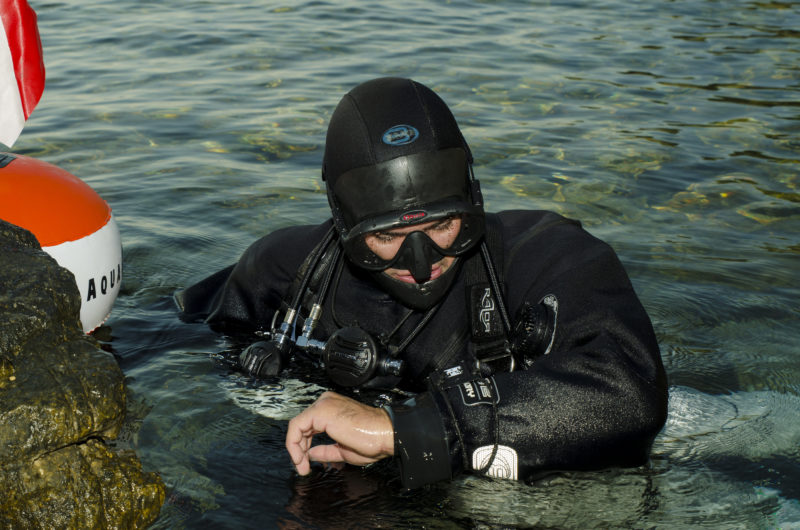
A sidemount diver checks his computer before a dive.

Leading tech dive computers offer divers a high degree of personalization. This starts with the ability to adjust the degree of conservatism applied to their dive via gradient factors (ZHL) and conservatism settings (VPM). In many cases, divers can adjust these on the dive, allowing adaptation to changing conditions while underwater.

A good tech computer will also allow its user to change the display and prioritize certain pieces of information over others. This allows the diver to see a lot of information at one time or reduce it to the bare minimum.

Technical dives often involve darker environments. In those circumstances, having a computer with a bright, clear display that you can read without a torch can make all the difference.

Gas-programming capabilities

One obvious characteristic of any tech diving computer is the capability to program more than one gas per dive. Serious tech diving computers allow users to program five gases — some offer even more. They also have an easy protocol for switching from one to the other. While recreational divers generally only change the oxygen content of their gas on their computer, tech divers may also want to adjust the oxygen partial pressure they are exposed to on a dive.

A number of the leading brands also allow divers to program new gases while already on the dive. This can be useful when a team dives different gases and a diver must use a teammate’s tank in an emergency.

Accounting for diver error

We must also consider how a dive computer deals with diver error. While tech divers are highly skilled when it comes to buoyancy skills, for example, there may be circumstances when they miss a decompression stop or ascend shallower than their computer dictates. A serious tech diving computer will recalculate and offer an alternative decompression schedule. What would be downright dangerous is a computer that locks you out while still underwater.

Practically speaking, it’s worth considering what happens if you have a problem with your computer. Research the manufacturer’s after-sales service policy. A quick Google search will soon show whether the company is easy to deal with or hard to reach.

If you live or dive remotely, consider which batteries your computer uses and whether you can change them. One of the leading brands runs on AA batteries, making life very simple for divers since these batteries are available pretty much anywhere in the world.

Backing up your computer

Now that you’ve found your perfect tech diving computer, it’s time to consider what you’ll use for a backup — ideally another computer of the same kind. Advantages of this setup include familiarity with the menu and the computer’s settings and diving off similar profiles. However, if — like many new technical divers — you need to build up your equipment gradually and buy new gear in stages, your recreational computer in gauge mode or even a combined depth gauge and timer would work as a back-up initially. In this case, be sure to carry a copy of your dive plan on a slate or a wet notebook.

As with most major dive-gear purchases, it pays to do your research before shopping. If you’re not a qualified tech diver yet ask your instructor what they recommend and why. Think about where you want your diving to take you and make sure you choose a dive computer that can follow you there.

The post Choosing the Right Computer for Technical Diving appeared first on Scuba Diver Life.


from Scuba Diver Life https://ift.tt/2TWIkp4

Tuesday, April 2, 2019

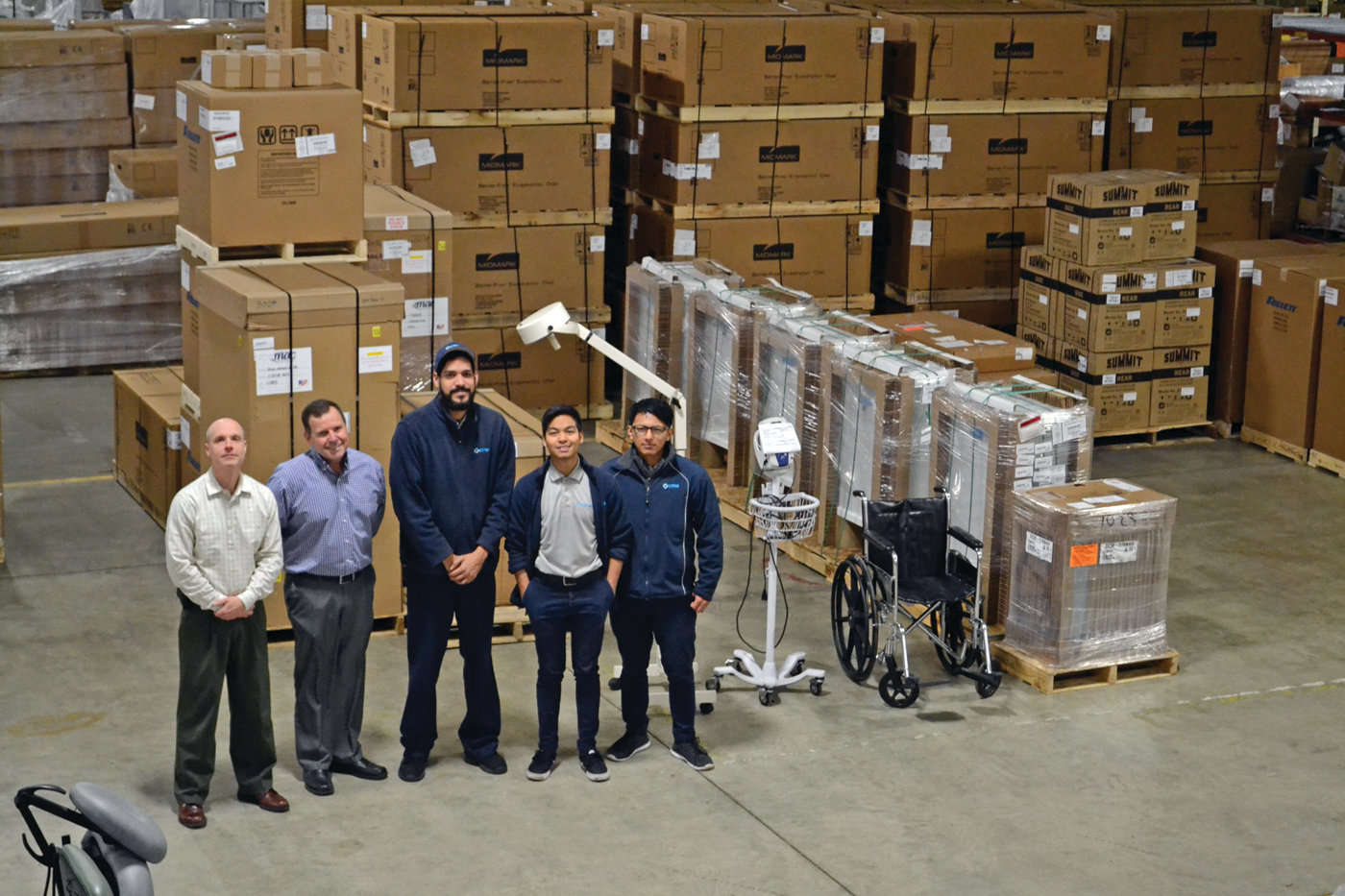
80 Percent of CME Real Jobs Trainees Secure Full-Time Positions at CME Corp.

Since 2015, CME has participated as one of the first companies to join the Real Jobs training program started during Governor Gina Raimondo’s first term in office. Real Jobs RI seeks to connect young adults with companies that perform in-demand work and help provide the training and education to allow them to become permanent members of that industry.


from CME Insiders https://ift.tt/2I7yCha

Five Great April Dive Destinations

April is a great month for diving, with a variety of unusual highlights. You can encounter whale sharks in Honduras and Australia, dive between two tectonic plates in Iceland and explore Cousteau’s bizarre Conshelf II. Here are our picks for the best April dive destinations.

The Seychelles

April dive destinations

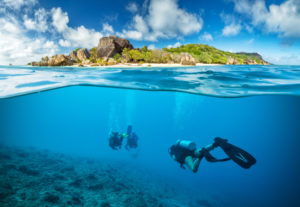
With over 100 islands and famous white-sand beaches, the Seychelles is a great destination for laid-back sailing and dive adventures. April is the best month for calm waters, allowing you to reach more remote dive sites.

Don’t miss the Sister Islands when diving in the Seychelles, which are only accessible by boat. These two small, privately-owned islands are pristine, with uncrowded dive sites. The coral reef at Grande Soeur is teeming with life and fringed by pink-granite rocks, making for beautiful photo opportunities. You can enjoy both hiking and diving there.

Head to the uninhabited island of Petite Soeur for unspoiled tropical forest and more coral-reef diving. Dive in at Sister Bank and you’ll be swept past rock formations and swim-throughs, giving you a chance to spot hawksbill turtles and the rare Armitage angelfish.


Ningaloo Reef, Western Australia


While the Great Barrier Reef is rightly famous, some of the country’s best dive sites are in Western Australia. The Ningaloo Coast, a UNESCO World Heritage Site, is a prime example.

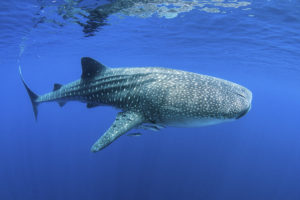
Hundreds of whale sharks gather at Ningaloo Reef from March to June, brought in by plankton blooms and coral spawning. Go diving in Western Australia in April and you’ll likely swim with these ocean giants, plus enjoy uncrowded dive sites. If you’re lucky you might even witness mass-coral spawning.

This special reef also hosts manta rays, dolphins and turtles all year. With over 500 species of fish, plus hundreds of corals and critters, there’s definitely something for every diver.


Bay Islands, Honduras

april dive destinations

If you’re a fan of sheer wall diving and remote seamounts, Honduras liveaboard diving is a great April dive choice. The weather is warm and dry, and you have the chance to spot whale sharks.

Utila’s northern side is washed by the open ocean, offering exciting deep wall dives and stalactite-covered caves. Be sure to look to the blue for whale sharks, marlin and dolphins passing by.

If you enjoy easier-paced diving, check out Utila’s southern side. There are sheltered shallow dives at the fringing reef, with plenty of coral and fish. The southern and eastern sides have numerous deep seamounts and pinnacles, washed by strong currents.

The Cayman Trench off Roatan is well worth diving for dramatic canyons and walls plunging into the depths. This trench is best-known for whale sharks and rare black corals. Don’t miss Mary’s Place, a deep, volcanic crack that’s covered in corals and sea fans with plenty of critters about.


Sudan

april dive destinations

Sudan might be off your diving radar, but it won’t be for long. It offers pristine coral reefs, world-class wrecks and healthy shark populations. April is a great time to catch the end of the hammerhead-shark season and enjoy the best visibility.

Angarosh is a deep plateau where you can encounter hammerheads and tiger sharks patrolling the depths. There are plenty of reef sharks, plus barracuda and tuna to spot before rising to the shallow coral reef. Colorful and teeming with fish, the reef is a great place for a safety stop.

Cousteau’s Conshelf II offers the chance to dive a part of Cousteau’s underwater living projects. Once a series of underwater habitats that had electricity, air-conditioning and fresh water, you can now see what remains. The old habitat is surrounded by a pretty coral reef with numerous gray reef sharks, silkies and silvertips. November to April is the best time for encountering hammerhead sharks here.


Silfra, Iceland

If you want to experience truly exceptional dive visibility and a unique dive experience, visit Iceland’s Silfra fissure. The water might be chilly, but the reward is well worth it. April is a great time to visit, before the busier summer season, and you’ll avoid the challenging winter conditions.

Immerse yourself at Silfra and you’ll diving between the North American and Eurasian tectonic plates at the same time. The landscape is understandably dramatic, and the water is crystal-clear, with visibility more than 328 feet (100 m). Be warned that it’s a cold dive no matter when you come at 35 to 39 F (2 to 4 C), so pack warm to make the most of your dives there.

Divers and writers at LiveAboard.com contributed this article.


The post Five Great April Dive Destinations appeared first on Scuba Diver Life.


from Scuba Diver Life https://ift.tt/2Ua8QjR

#DME19: Reinventing local news with Lokalportal and Russmedia


from World News Publishing Focus by WAN-IFRA - World Association of Newspapers and News Publishers https://ift.tt/2WFE274

Monday, April 1, 2019

Self-Care A-Z: Back to Basics - Breathing, Balancing, and Being Aware

Self-care doesn’t have to be complicated. The most important thing about self-care is that it’s personal to you. Sometimes it’s important to go back to the basics.

from The New Social Worker Online — the professional social work careers magazine https://ift.tt/2UjO7t7

Winners of European Digital Media Awards announced at #DME19


from World News Publishing Focus by WAN-IFRA - World Association of Newspapers and News Publishers https://ift.tt/2JWJMb2

#DME19: Audience engagement is the new watchword in Europe


from World News Publishing Focus by WAN-IFRA - World Association of Newspapers and News Publishers https://ift.tt/2TLWoSi