The idyllic, tropical Zanzibar Archipelago lies in the Indian Ocean just off the coast of Tanzania and Kenya. Surrounded by many smaller islands, are the main islands of Pemba, Mafia and Unguja, the island we usually refer to as “Zanzibar.” Ungujais home to the capital of Zanzibar City, known as Stone Town. All three of these islands offer spectacular diving year-round with water temperatures ranging from 77 to 84 F (25 to 29 C) and visibility sometimes up to 130 feet (40 m). Here are our picks for the best dive sites in Zanzibar Archipelago.
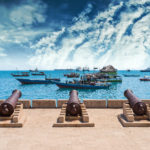
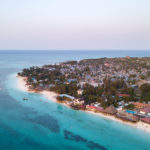
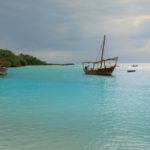
Zanzibar Island (Unguja)
Zanzibar Island is the largest of the three with a number of different areas, all offering unique and spectacular diving experiences.
Where is it
Zanzibar lies off the coast of Tanzania, about 37 miles (60 km) northeast of Dar es Salaam. Zanzibar has an international airport, with international flights usually stopping in Kenya or mainland Tanzania. A ferry also departs daily from Dar es Salaam to Stone Town on Zanzibar, taking between 1.5 to 2 hours.
What makes it special
There are a number of fantastic dive locations all around Zanzibar.
Mnemba Island
Mnemba is a private-island resort, but non-guests are allowed to dive the reefs surrounding the island, which are part of a marine reserve. Dive operators from Zanzibar schedule regular dive trips here. These reefs house more than 600 species of fish and three species of dolphins. The island also serves as a nesting place for green turtles between February and September.
Nungwi
On the northeast tip of Zanzibar you’ll find a diver’s paradise in Nungwi. Relaxed, shallow dives feature ornate ghost pipefish, seahorses, harlequin shrimp, leaf fish and frogfish. Big game fish and shark encounters are not uncommon on deeper sites. You’ll often spot dolphins and turtles in the water around Nungwi as well.
Kizimkazi
Kizimkazi is a small village that’s gained notoriety for offering dolphin tours in a marine-protected area. Unfortunately, most operators don’t run the tours in a manner that is safe or ethical for the animals. Education and conservation volunteers are working in the area to improve the situation, which offers wonderful macro diving. If you dive here, give the dolphin tours a miss. Do your research and join a reputable dive center instead.
Fumba
Fumba is also a marine-protected area, less-crowded and commercialized than many other places on the island. The beaches are not as nice as in other areas, which means there are fewer divers. That translates to pristine coral, abundant fish life and a reef all to yourself on most dives.
Stone Town
Stone Town is the main city on Zanzibar. Diving around Stone Town — really the islands offshore — offers a wide variety of coral gardens and tropical fish. There are three wrecks as well, and whale sharks often migrate past the reefs.
Paje, Bwejuu and Jambiani
Located on the southeast coast of Zanzibar Island, this area offers some interesting dive sites including the lagoon and the Cement Wall, where you can still see three anchors from a ship that lost its cargo of cement in the 1930s. Divers often see sharks, napoleon wrasse, and turtles.
Details
There’s plentiful accommodation on Zanzibar, from hostels to luxury hotels. There are also a large number of dive centers in the popular tourist areas.
Getting around Zanzibar is easy and convenient. Private taxis are available all over the island and prices are usually negotiable. It’s best, however, if you agree on the price before you get in. For a budget option you can use the local buses called dala-dalas.
You can also rent a car on the island, but if you do so, find company with good reviews and one that has regularly serviced cars. Some companies do not offer break down or exchange services. There are many police checks on the roads so ensure that the rental car is road-worthy, and you have all the required documents: your driver’s license, the temporary Zanzibar driver’s permit, and the car insurance and road license stickers displayed on the windshield.
There are no ATMs outside of Stone Town, although some hotels might let you swipe your card and give you cash if you pay a surcharge.
Zanzibar has a large Muslim community and it is best to cover your legs and arms when you move away from the beach area. Limit public displays of affection in order to respect the local culture.
When to go
Although diving is good year-round, March is the best month for diving. It also brings cooler weather with occasional rain. April to May is the rainy season, with more rain from November to mid-December. July to October and mid-December to mid-January are the busy times on Zanzibar Island.
Pemba Island
Pemba is the second-largest island in the archipelago but less developed than Zanzibar Island. It sees a lot less tourists than Zanzibar and features more hills and plantations. It is also one of the world’s largest producers of cloves.
Where is it
Pemba lies about 56 miles (90 km) northeast of Zanzibar Island.
What makes it special
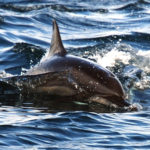
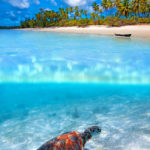
Diving on Pemba Island is excellent and offers occasional manta sightings, lots of mobulas and eagle rays from January to March, turtles and reef sharks. Mesali Island is part of a conservation area and is home to a pod of dolphins and turtle nests as well.
Details
There are flights between Zanzibar Island and Pemba twice a day, taking about 30 minutes each way. There are both fast (two hours one-way) and slow (seven hours one-way) ferries running between Zanzibar and Pemba. Trips on the fast ferry could be rougher and slightly less safe, especially when entering the Nungwi Channel.
Because there is less tourism on Pemba, accommodation and dive operators in the area are limited. Accommodation mostly caters to luxury travelers with a few budget-friendly options. Diving will cost a bit more too, but fantastic sites make up for expense.
Most of Pemba’s population is Muslim, so women should consider wearing long skirts, covering their shoulders and wearing head scarves while traveling. Men should cover their legs and shoulders.
When to go
The best time to go to Pemba is during the dry season from July to late October. November to March sees some rain but is still a good time to go. Heavy rains come to Pemba in April and May. Most of the hotels and lodges close during this period.
Mafia Island
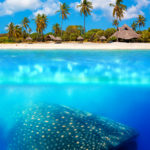
While it’s most famous for snorkeling with whale sharks, Mafia Island also has some great diving.
Where is it
Mafia Island is about 93 miles (150 km) south of Zanzibar Island and 71 miles (115 km) south of Dar es Salaam.
What makes it special
There is a pinnacle where you can see reef fish as well as pelagic fish, turtles, rays and schools of batfish. There is also a wall and overhangs with an archway full of fish. Here you can see sailfish, tuna, nudibranchs, leaf fish and reef sharks among many, many other animals.
Details
Mafia Island is about a 30-minute flight from Zanzibar Island and Dar es Salaam.
The island is the least developed of the three and thus there is a very limited amount of accommodation and dive-operator options.
When to go
There are two dry seasons on Mafia Island. The hot dry season is during January and February, while the cool dry season is from July to October, the best time to visit. The long rainy season is from March to June, with its peak in April and May. The short rainy season is November and December.
The post Best Dive Sites in Zanzibar Archipelago appeared first on Scuba Diver Life.
from Scuba Diver Life https://ift.tt/2tRRbNI